
How Flowers Support Grief, Healing, and Emotional Recovery

Grief is one of the most profound emotional experiences humans face. Whether it’s the loss of a loved one, a relationship, a cherished role, or even a dream that’s unfulfilled, grief can leave us feeling overwhelmed, disconnected, and uncertain of how to move forward. Amid this emotional turmoil, flowers — delicate, transient, and beautiful — have been used across cultures and centuries as silent companions to help people cope with grief, find comfort, and slowly heal. In this article, let’s explore how flowers help with grief and healing, combining psychological insights, symbolic meaning, and practical ways to integrate flowers into your own healing journey.
1. The Emotional Power of Flowers: What Science Says
Although we often think of flowers as simple decorations, scientific research reveals that they have measurable effects on emotion, mood, and social behavior.
Flowers Boost Mood and Reduce Stress
Multiple studies have found that the presence of flowers can immediately improve mood, reduce feelings of anxiety, and elevate emotional well-being. According to behavioral research, people who receive flowers often report increased happiness, less depression, and greater life satisfaction after just a few days.
Flowers Influence Emotional Perception and Social Connection
Researchers have shown that flowers can positively affect how people perceive others, fostering greater empathy, understanding, and connection. This effect isn’t just emotional — it influences social behavior too, helping people feel more open and compassionate toward others. (sciencedirect.com)
A Soothing Presence in Emotional Spaces
Studies also suggest that flowers create a calmer environment, lowering physiological stress markers like cortisol and encouraging relaxation — benefits that are especially helpful during periods of grief. (cricklewoodflowers.co.uk)
2. Flowers as a Universal Language of Comfort
Grief often comes with complex emotions that words alone struggle to express. This is where flowers become powerful: they act as symbols, expressions, and emotional bridges.
Nonverbal Expression When Words Fail
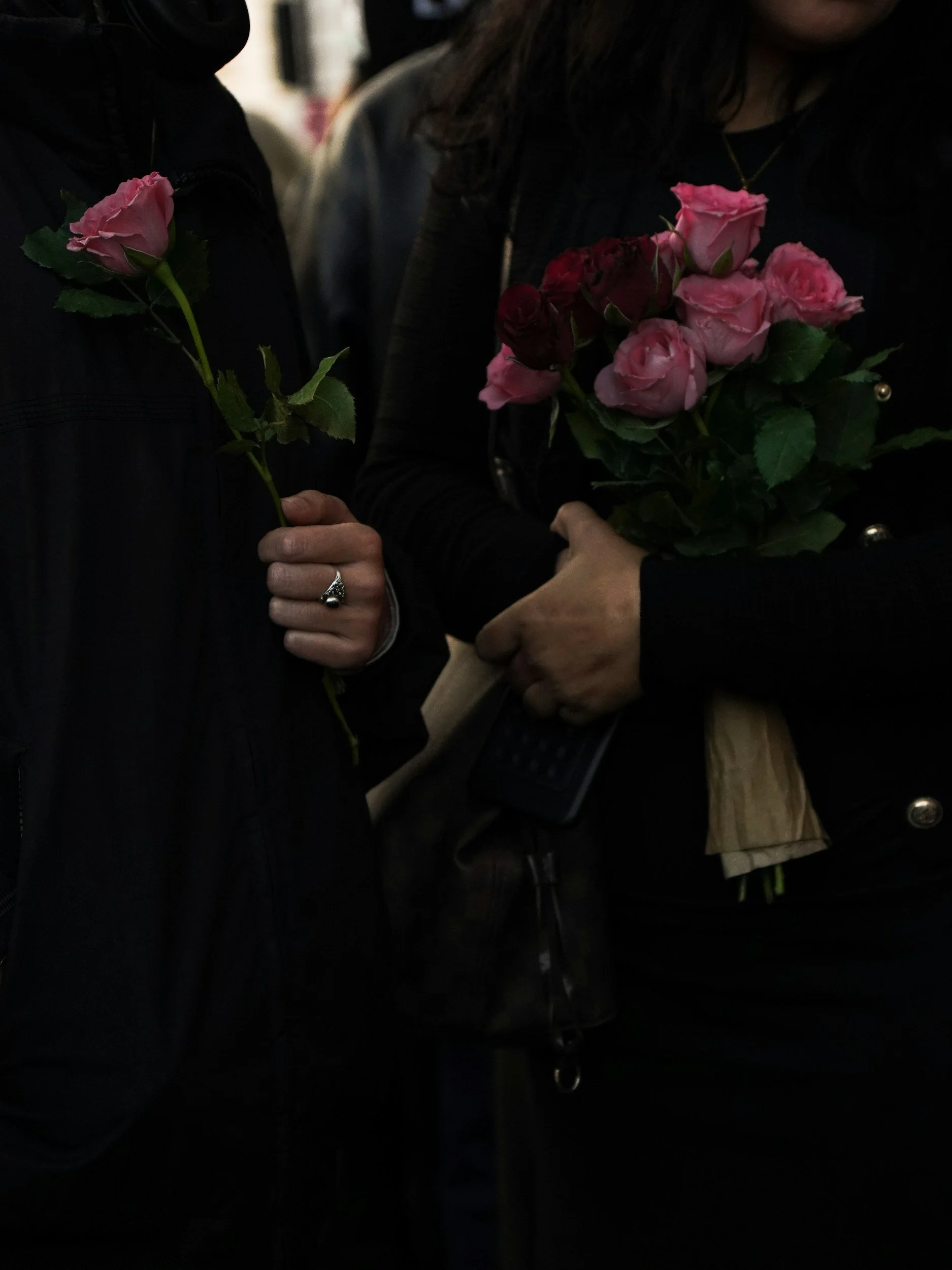
During grief, many people find it difficult to articulate what they are feeling. Flowers speak without language — conveying love, respect, remembrance, and solidarity in a way words sometimes cannot. (eFlorist)
Symbolism Across Cultures
Different flowers carry unique meanings in various cultures and traditions. For instance:
White lilies often represent purity and the soul’s restored innocence.
Roses symbolize love and remembrance.
Chrysanthemums are linked to mourning and reflection in many traditions. (flowersymbolism.org)
Because these symbolic meanings resonate deeply with many people, flowers become both a tribute to what is lost and a gentle reminder of life’s beauty.
3. How Flowers Help with Grief — The Psychological Mechanisms
So why exactly do flowers help during grief beyond symbolism? Let’s break down the psychological processes at work:
Enhanced Emotional Expression
Flowers offer a structured way to express emotion. Grief can feel chaotic and unmanageable, but choosing, arranging, and giving flowers can help channel feelings into something tangible — a meaningful action rather than a swirling inner experience. (Petal & Poem - HK's Top Luxury Florist)
Sensory Grounding and Mindfulness
Grief often pulls the mind into future fears or past memories. Flowers — with their sight, scent, and texture — provide a way to bring attention back to the present moment. This sensory grounding can slow racing thoughts and help release emotional tension. (blog.flowersacrossmelbourne.com.au)
Transforming Space into Sanctuary
Having flowers in a space — whether a memorial area, a bedside table, or a quiet corner at home — changes the emotional ambience of that environment. They can soften harsh feelings of loss and create a peaceful space for reflection and remembrance. (Whiskey Wallflower)
Facilitating Ritual and Healing
Rituals help human beings cope with loss because they create structure, meaning, and continuity. Arranging flowers for a ceremony, placing them at a memorial site, or simply tending plants at home becomes a healing practice in and of itself. (Petal & Poem - HK's Top Luxury Florist)
4. The Healing Science Behind Flower Interaction
It’s not just emotional symbolism — biological and cognitive mechanisms also come into play.
Connection with the Brain’s Emotion Centers
The limbic system, which governs emotion, memory, and behavior, is directly connected to our sense of smell. Floral scents can trigger emotional responses, activate calm states, and even evoke cherished memories. (Health fitbit)
Color Psychology
Color itself influences mood. Bright, warm bouquets (e.g., yellows or soft pastels) can uplift and energize, while cool tones or whites (e.g., blue hydrangeas or white lilies) can promote calm and reflection. (Flower Delivery Gidea Park)
Physical Interaction and Stress Reduction
Actively tending to flowers, watering plants, or arranging blooms isn’t just symbolic — it’s therapeutic behavior. This physical interaction can decrease stress, encourage mindful engagement, and provide a sense of purpose during tough emotional periods. (Flower Delivery Seven Sisters)
5. Flowers in Grief Rituals and Remembrance
Flowers have long been a part of mourning traditions — and for good reason.
Funeral and Memorial Flowers
At funerals, floral arrangements soften the environment, provide beauty during solemn moments, and give attendees a place to externalize condolences. These arrangements help transform spaces of mourning into sanctuaries of dignity and remembrance. (Whiskey Wallflower)
Sympathy Bouquets for the Bereaved
Sending flowers to someone grieving shows empathy and shared presence, even when you can’t physically be there. Many bereaved people report that receiving flowers felt like a supportive gesture during a difficult time. (eFlorist)
Memorial Gardens and Dedicated Spaces
Creating a small garden or planting flowers in memory of a loved one is a powerful form of living remembrance. These gardens can become personal sanctuaries where grief finds expression and where the cycle of life is honored.
6. Choosing the Right Flowers for Grief and Healing
Different flowers are traditionally associated with specific aspects of mourning, comfort, and healing. Choosing thoughtfully can add another layer of meaning to your expression.
Here are some widely recognized examples:
White Roses: Purity, remembrance, and peace. (flowersymbolism.org)
Chrysanthemums: Traditionally used in mourning and remembrance across many cultures. (flowersymbolism.org)
Lavender: Calm, peace, and emotional balance. (flowersymbolism.org)
Sunflowers: Optimism and enduring strength. (flowersymbolism.org)
Peonies: Emotional healing and softness. (flowersymbolism.org)
Lotus: Spiritual rebirth and resilience. (flowersymbolism.org)
Whether for funeral arrangements, personal reflection, or supportive gifts, choosing blooms with symbolic meanings can make the gesture even more profound.
7. Practical Ways to Use Flowers for Healing
If you’re navigating grief — whether for yourself or someone you care about — here are meaningful ways to use flowers in your healing process:
Create a Daily Ritual
Place fresh flowers in a visible spot each day and spend a moment focusing on their beauty. Light a candle alongside them or sit quietly and breathe, letting the flowers become a calm anchor. (Petal & Poem - HK's Top Luxury Florist)
Journal with Flowers
Keep a small bouquet or petal arrangement next to your journal. As you write about memories or emotions, let the flowers inspire reflection, acceptance, and emotional release. (Petal & Poem - HK's Top Luxury Florist)
Plant a Memory Garden
Even small potted flowers or a balcony garden can become a living tribute. Tending the garden nurtures both the plants and your emotional resilience. (Flower Delivery Seven Sisters)
Mindful Interaction
When you arrange flowers, tend plants, or simply inhale their scent, you engage your senses fully — promoting presence and reducing spiraling thoughts associated with grief. (blog.flowersacrossmelbourne.com.au)
8. Beyond Grief — Flowers as Ongoing Emotional Support
While flowers are deeply rooted in mourning traditions, their therapeutic value isn’t limited to grief alone.
Mood enhancement: Flowers uplift mood and increase feelings of joy and gratitude. (cricklewoodflowers.co.uk)
Social connection: Gifting flowers strengthens emotional bonds and shared experiences. (eFlorist)
Stress relief: Exposure to floral beauty can lower anxiety and promote calm. (cricklewoodflowers.co.uk)
Memory recall: Certain scents can evoke powerful recollections of people, places, and times that bring comfort. (Health fitbit)
So whether you’re honoring a loss or uplifting a loved one, flowers continue to serve as quiet companions on the emotional journey of life.
Finally, Why Flowers Matter in Grief and Healing
Grief is deeply personal, and everyone’s journey looks different. Flowers don’t erase pain. But they offer something gentle yet profound: a way to feel seen, understood, and connected when grief makes expression difficult. They remind us that beauty can coexist with sorrow, that love persists beyond words, and that healing — like a blossom — can come slowly, petal by petal.
By bringing flowers into your life or the life of someone grieving, you harness a tradition steeped in meaning, grounded in science, and rooted in emotional compassion. Whether through color, scent, ritual, or presence, flowers stand as timeless allies in the journey from loss to healing.
