
How Flowers Help Decrease Stress— The Powerful Connection Between Flowers and Mental Well-Being
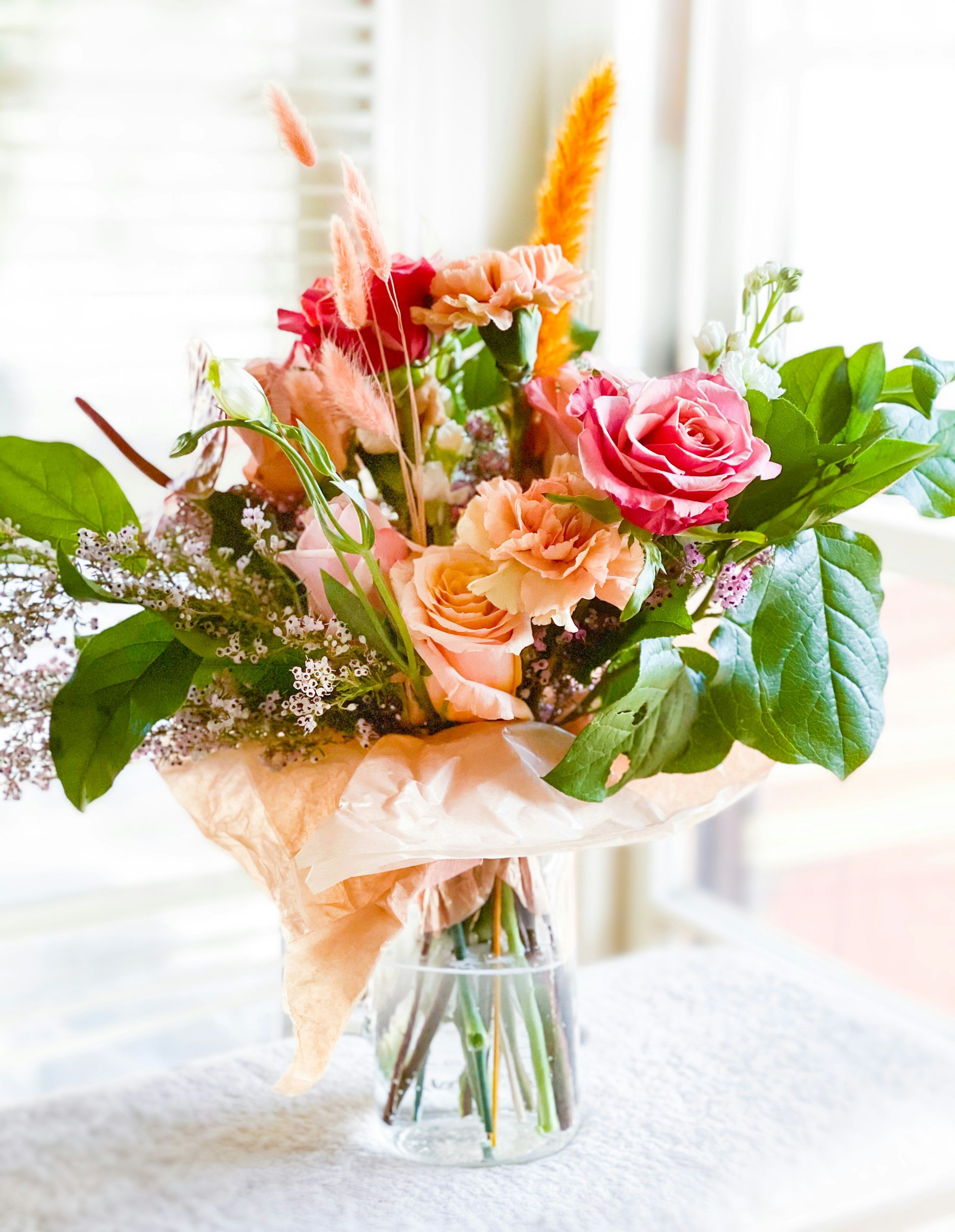
Stress has become a constant presence in modern life. From work pressures and financial responsibilities to emotional challenges and everyday demands, many people are searching for natural ways to reduce stress and improve their mental well-being. One surprisingly powerful solution comes straight from nature: flowers.
Flowers have long been associated with beauty, celebration, and emotion, but their benefits go far beyond decoration. Research and centuries of tradition show that flowers can have a calming, mood-boosting effect that helps reduce stress, anxiety, and emotional fatigue. This article explores how flowers help decrease stress, why they impact the human brain, and how incorporating flowers into daily life can support mental health.
The Psychological Impact of Flowers on the Human Mind
The connection between flowers and emotional well-being begins in the brain. When we see flowers, the brain responds positively almost instantly. Colors, shapes, and natural patterns trigger emotional responses linked to relaxation and happiness.
Studies in environmental psychology have found that exposure to flowers can:
Lower cortisol levels (the stress hormone)
Improve mood
Increase feelings of calm and positivity
Reduce symptoms of anxiety and depression
Unlike artificial décor, flowers stimulate the senses in a natural way, engaging sight, smell, and even touch. This multi-sensory experience is one reason flowers are so effective at decreasing stress.
Flowers Reduce Stress Through Color Psychology
Color plays a significant role in emotional regulation, and flowers naturally offer a wide range of soothing hues.
Stress-Reducing Flower Colors
White and cream – Promote calm, clarity, and peace
Soft pinks – Encourage comfort, love, and emotional warmth
Lavender and purple – Associated with relaxation and mindfulness
Blues – Help slow the heart rate and reduce anxiety
Yellow – Stimulates happiness and optimism without overwhelming the senses
The presence of these colors in flowers can transform an environment into a calming space, making them ideal for homes, offices, hospitals, and therapeutic settings.
The Role of Floral Scents in Stress Reduction
One of the most powerful ways flowers help decrease stress is through aromatherapy. Natural floral scents have a direct effect on the brain’s limbic system, which controls emotions and memory.
Flowers Known for Stress-Relieving Fragrance
Lavender – Reduces anxiety and promotes relaxation
Roses – Encourages emotional balance and comfort
Jasmine – Helps reduce nervousness and improve mood
Lilies – Create a peaceful, calming atmosphere
Gardenia – Known for soothing emotional tension
These fragrances can lower heart rate and blood pressure, making flowers a gentle yet effective stress-relief tool.
Flowers Encourage Mindfulness and Presence
Stress often stems from overthinking, worrying about the future, or dwelling on the past. Flowers naturally encourage mindfulness, drawing attention to the present moment.
Observing flowers—watching petals open, noticing color variations, or arranging a bouquet—invites quiet focus. This mindfulness effect helps:
Slow racing thoughts
Reduce mental overload
Increase awareness and calm
Many people find that caring for flowers or simply placing them nearby during work or relaxation helps ground them emotionally.
Flowers Improve Emotional Well-Being and Mood
Emotional stress can be just as draining as physical stress. Flowers have been shown to increase feelings of happiness and life satisfaction. Receiving flowers, in particular, creates an immediate positive emotional response.
Emotional Benefits of Flowers
Increased dopamine and serotonin levels
Reduced feelings of sadness or loneliness
Greater sense of connection and appreciation
Enhanced emotional resilience
Because flowers are often associated with positive moments, their presence can evoke comforting memories and emotions, which helps counteract stress.
Flowers Create Calm, Healing Environments
Flowers are commonly used in hospitals, wellness centers, spas, and therapy offices—and for good reason. These environments rely on calmness to support healing and emotional balance.
Research shows that patients exposed to flowers or natural elements experience:
Lower stress levels
Improved recovery times
Reduced anxiety before medical procedures
Increased feelings of hope and comfort
At home, flowers can transform a space into a sanctuary, helping reduce the stress accumulated throughout the day.
Flowers Support Stress Reduction in the Workplace
Workplace stress is a major concern for many people. Adding flowers to office environments has been shown to improve productivity while lowering stress.
Benefits of Flowers in Workspaces
Reduced mental fatigue
Improved concentration
Increased creativity
Lower tension and irritability
Even small arrangements on desks or in shared spaces can make a noticeable difference in how people feel throughout the workday.
Flowers Help Strengthen Emotional Connections
Human connection plays a key role in managing stress. Flowers often serve as emotional bridges between people—given as gestures of love, appreciation, or sympathy.
Receiving flowers can:
Make individuals feel valued and supported
Reduce feelings of isolation
Strengthen relationships
Encourage emotional openness
These emotional benefits contribute directly to stress reduction, especially during difficult or emotionally demanding periods.
Flowers Promote Rest and Better Sleep
Stress often disrupts sleep, creating a cycle of fatigue and anxiety. Certain flowers help promote relaxation and improve sleep quality.
Flowers such as lavender, jasmine, and chamomile are known to:
Calm the nervous system
Reduce nighttime anxiety
Promote deeper, more restful sleep
Placing flowers in bedrooms or nearby living spaces can support a more peaceful nighttime routine.
Flowers as a Natural Stress-Relief Tool
Unlike medications or digital solutions, flowers offer stress relief naturally and without side effects. They require no special training or effort—simply being present is enough to provide benefits.
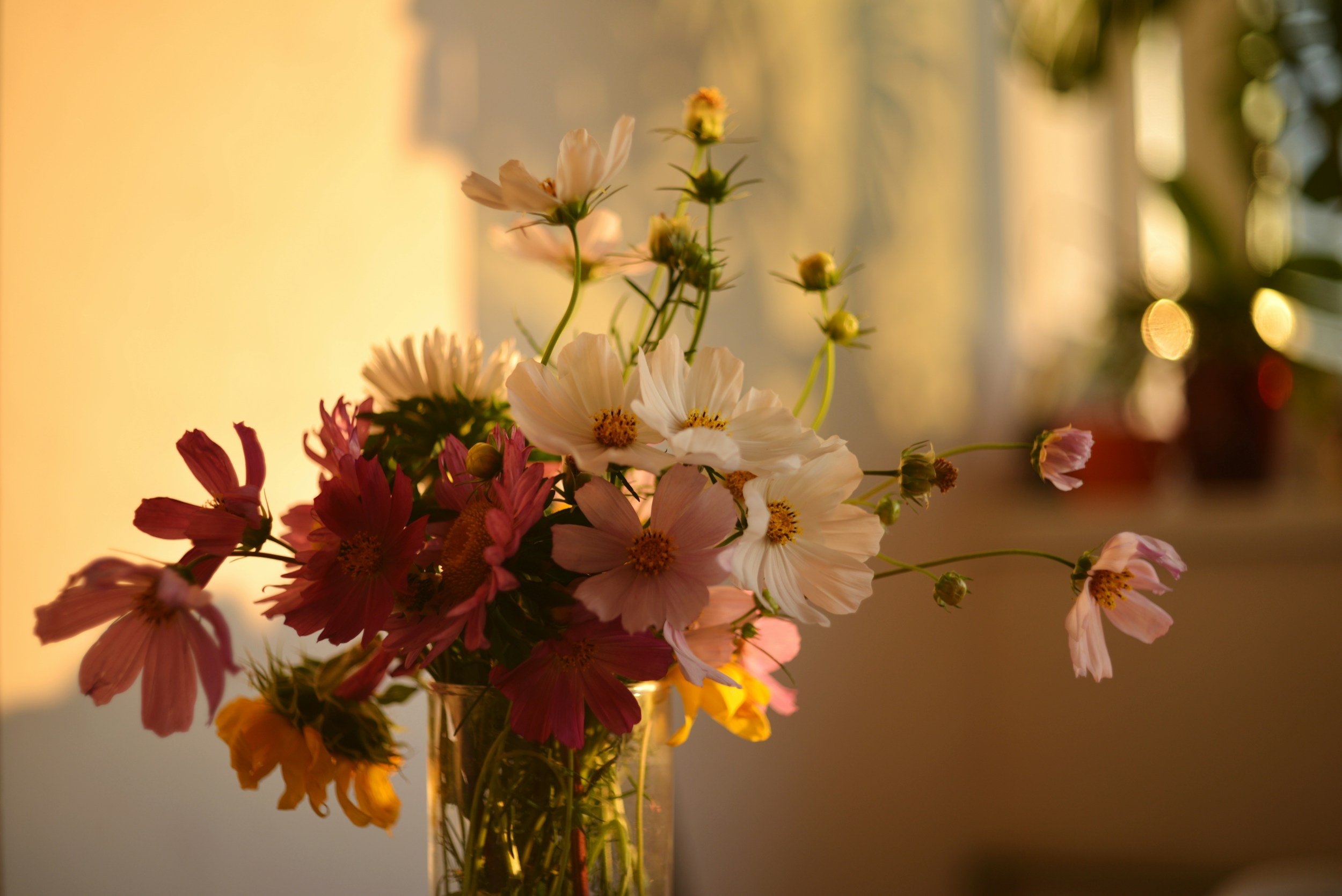
Why Flowers Are Effective for Stress Relief
They connect people to nature
They stimulate positive emotional responses
They enhance environments instantly
They support mental, emotional, and sensory health
Because of these benefits, flowers are often incorporated into holistic wellness practices and self-care routines.
How to Use Flowers to Reduce Stress in Daily Life
Incorporating flowers into daily life doesn’t require major changes. Simple practices can have a big impact.
Easy Ways to Use Flowers for Stress Relief
Keep fresh flowers in living spaces
Place calming flowers near work areas
Use flowers during meditation or relaxation time
Gift flowers to yourself or others
Choose flowers with soothing colors and scents
Even occasional exposure can provide noticeable stress-reducing effects.
The Symbolic Power of Flowers and Stress Relief
Flowers symbolize growth, beauty, hope, and renewal. During stressful periods, these symbols can be deeply comforting. They remind us that life continues to unfold naturally and that moments of calm and beauty are always possible.
This symbolism is one reason flowers are often used during major life moments—both joyful and challenging. Their presence helps balance emotions and restore inner peace.
Why Flowers Are Powerful Stress-Reducing Tools
Flowers do more than beautify spaces—they nurture emotional and mental health. Through color, fragrance, symbolism, and emotional connection, flowers offer a gentle yet powerful way to reduce stress and restore balance.
In a world filled with constant stimulation and pressure, flowers invite us to slow down, breathe deeply, and reconnect with calm. Whether displayed at home, in the workplace, or gifted to someone in need, flowers remain one of nature’s most effective tools for stress relief and emotional well-being.
Unwind and destress with an arrangement from Fleur Babe today! We’d love to help!
